All 57 guides
Action-first guides across the five back-office desks.
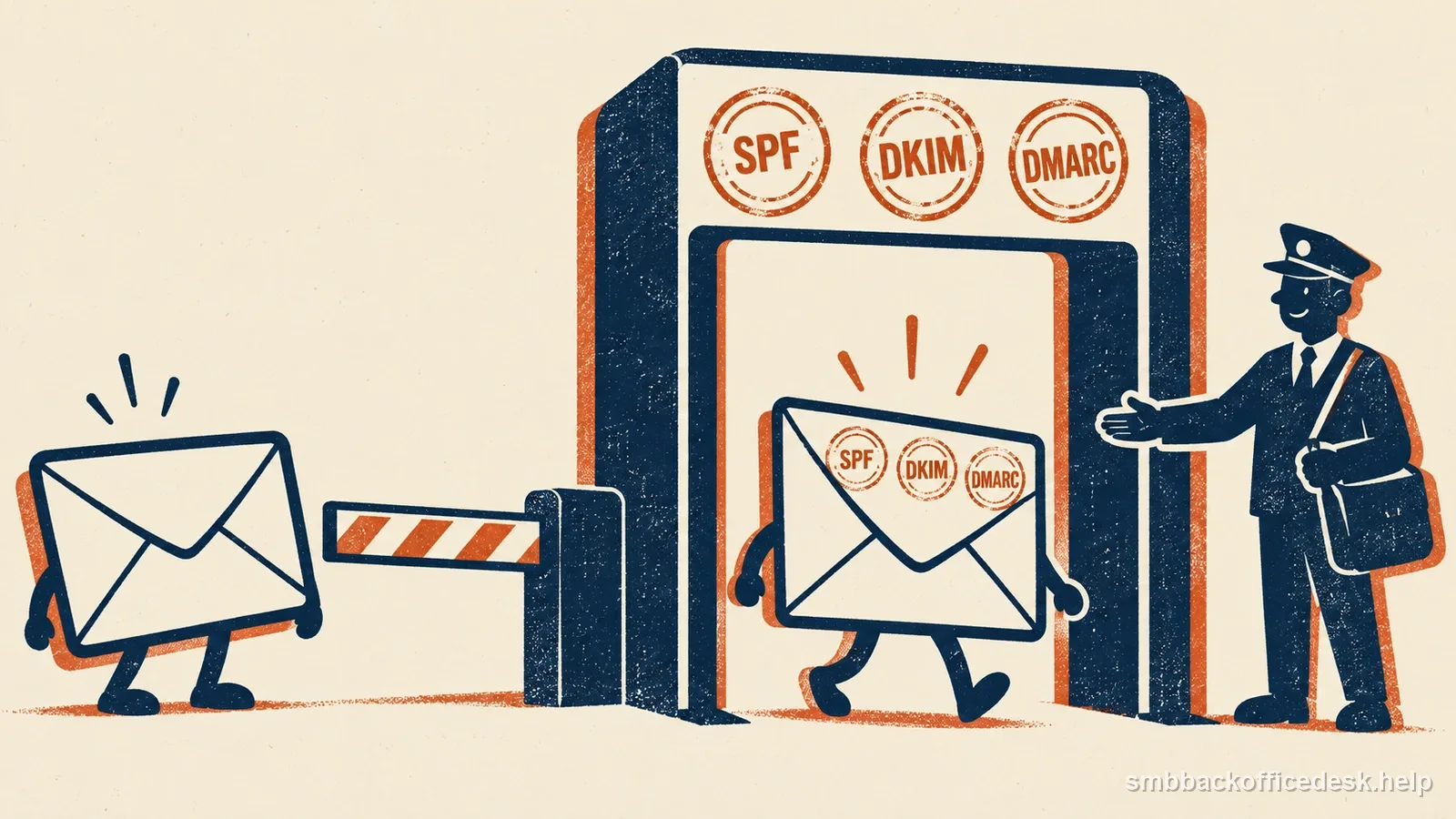
Gmail and Yahoo Bulk Sender Requirements: What Actually Applies to a Small Business
Google’s 5,000-message bulk threshold is for personal Gmail; Yahoo sets separate sender rules, and DMARC is required for Gmail bulk senders.
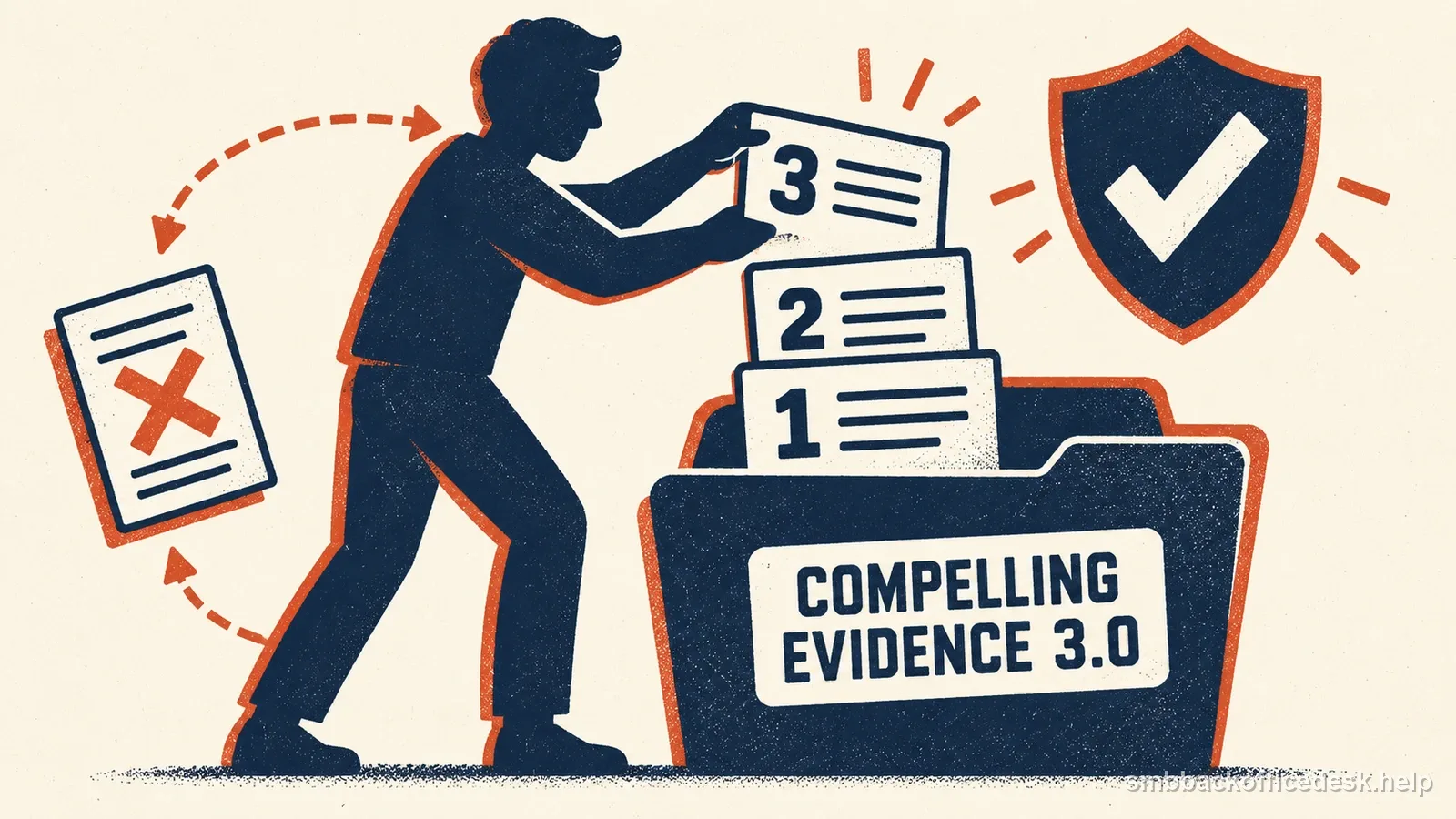
Visa Compelling Evidence 3.0: Fighting a Recurring-Billing Fraud Chargeback
Visa CE3.0 for recurring charges requires a 10.4 fraud dispute, two same-credential prior transactions, a device or IP match, and another qualifying data match.

New Domain Email Warmup: A Practical First 30 Days
Warm a new sending domain over four weeks: authenticate first, start with recognized recipients, watch delivery signals, and pause the ramp when quality slips.
Why Your Business Email Goes to Spam
Diagnose spam placement by checking authentication, sender reputation, complaints, list quality, content, and provider feedback before changing copy or domains.
SPF for Small Business Email: What to Configure and What to Avoid
Configure SPF by inventorying every service that sends for your domain, publishing one valid record, counting DNS lookups, and verifying the real return-path.
DKIM Setup for Small Business Senders
Set up DKIM by enabling signing in each mail service, publishing the correct selector and public key, checking live headers, and planning safe key rotation.
DMARC for a Small Business: Start With Visibility
Start DMARC with reporting, identify legitimate senders, fix SPF or DKIM alignment, then enforce only after unknown and misaligned mail is understood.
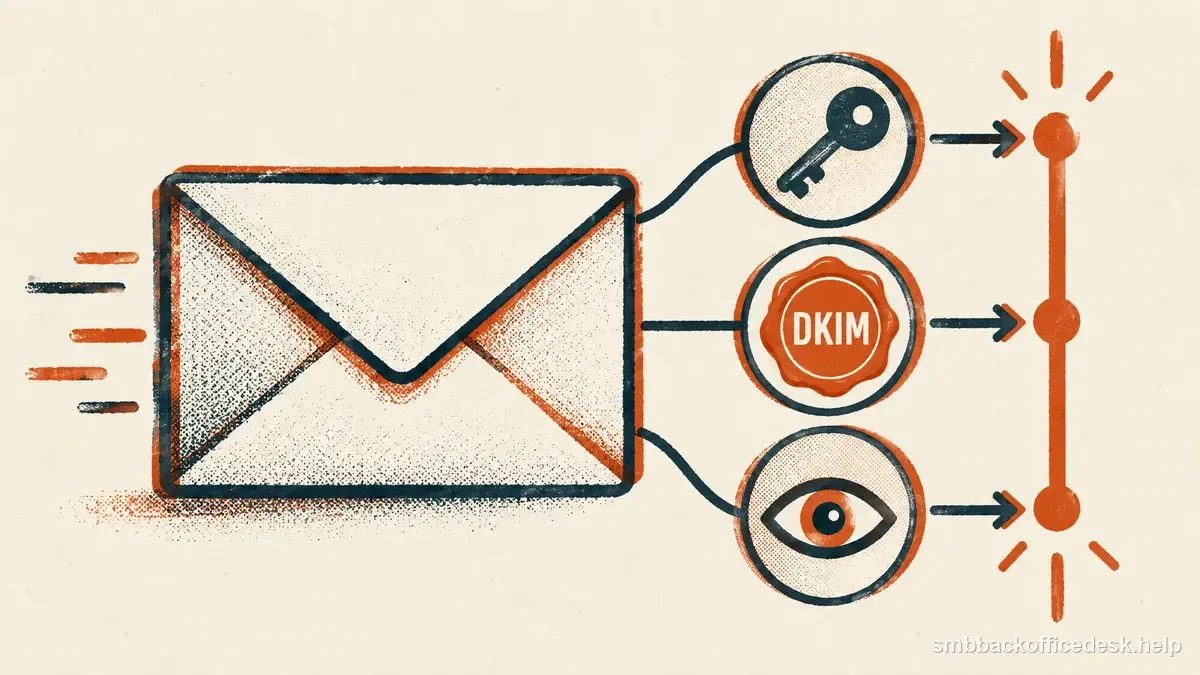
SPF, DKIM, and DMARC Alignment Explained
Learn what SPF, DKIM, and DMARC each verify, then read a real message header to see which domain authenticated, which aligned, and why DMARC passed or failed.
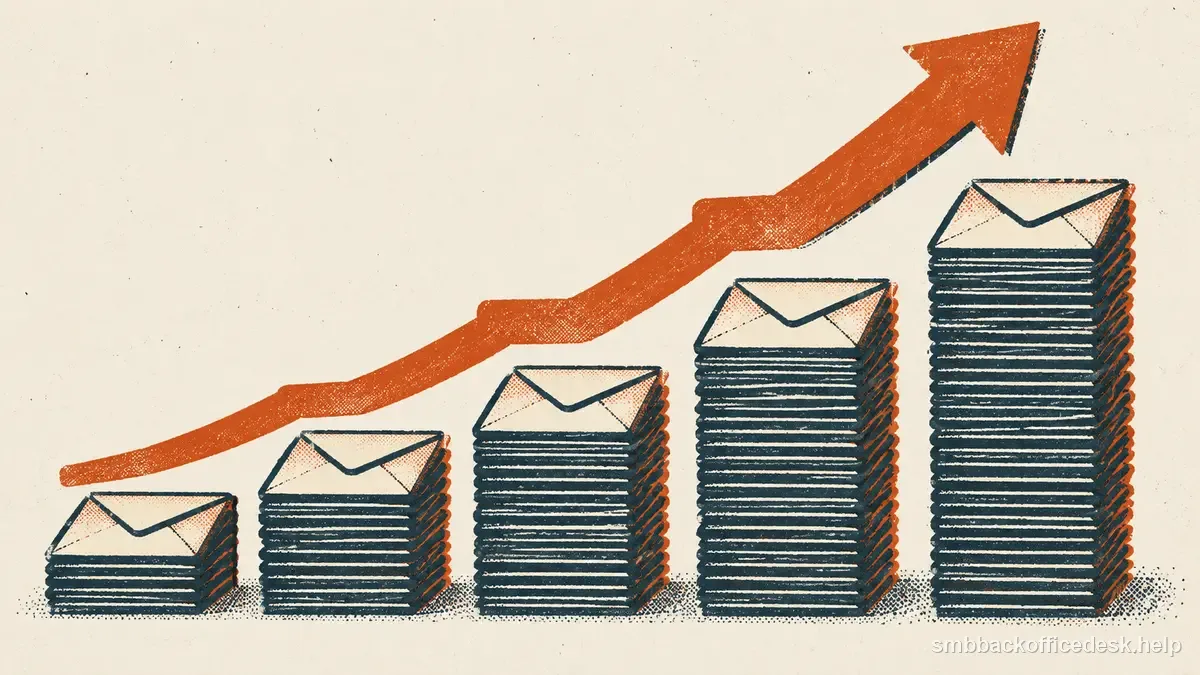
How to Ramp Outbound Sending Volume
Increase outbound email volume in controlled cohorts, watching SMTP responses, complaints, and reputation instead of treating any universal daily quota as safe.
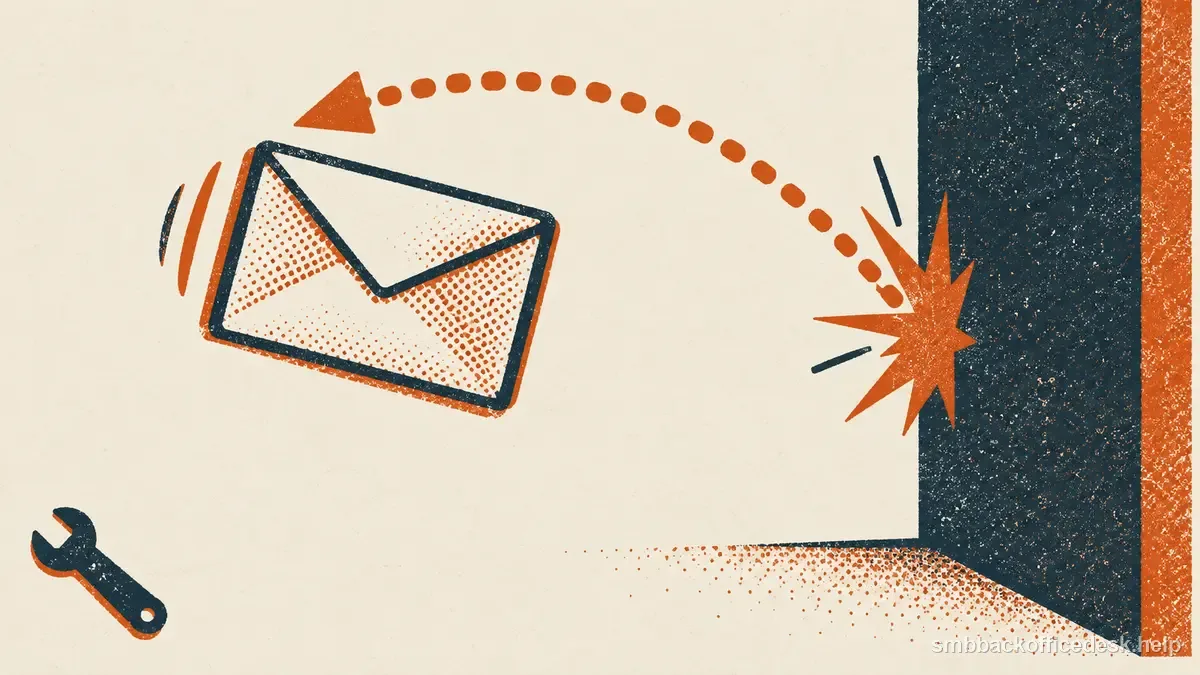
Cold Email Bounce Troubleshooting for Small Businesses
Troubleshoot cold-email bounces from SMTP responses: separate bad addresses, temporary deferrals, policy blocks, and rate limits, then fix the source.

Email List Hygiene for Better Deliverability
Clean a sending list by removing hard bounces, preserving suppressions, reviewing stale sources, rechecking roles, and separating validity from permission.
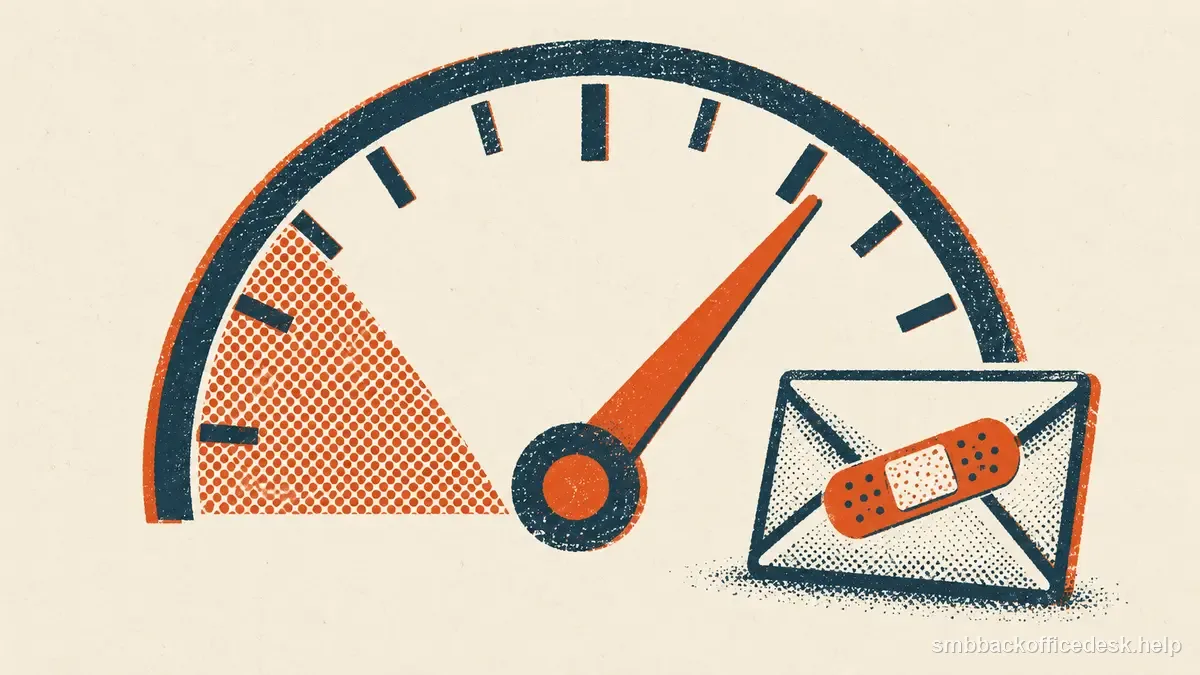
How to Recover a Damaged Sending Domain Reputation
Recover a damaged sending reputation by stopping risky traffic, fixing authentication or list problems, and restoring volume only after clean signals return.
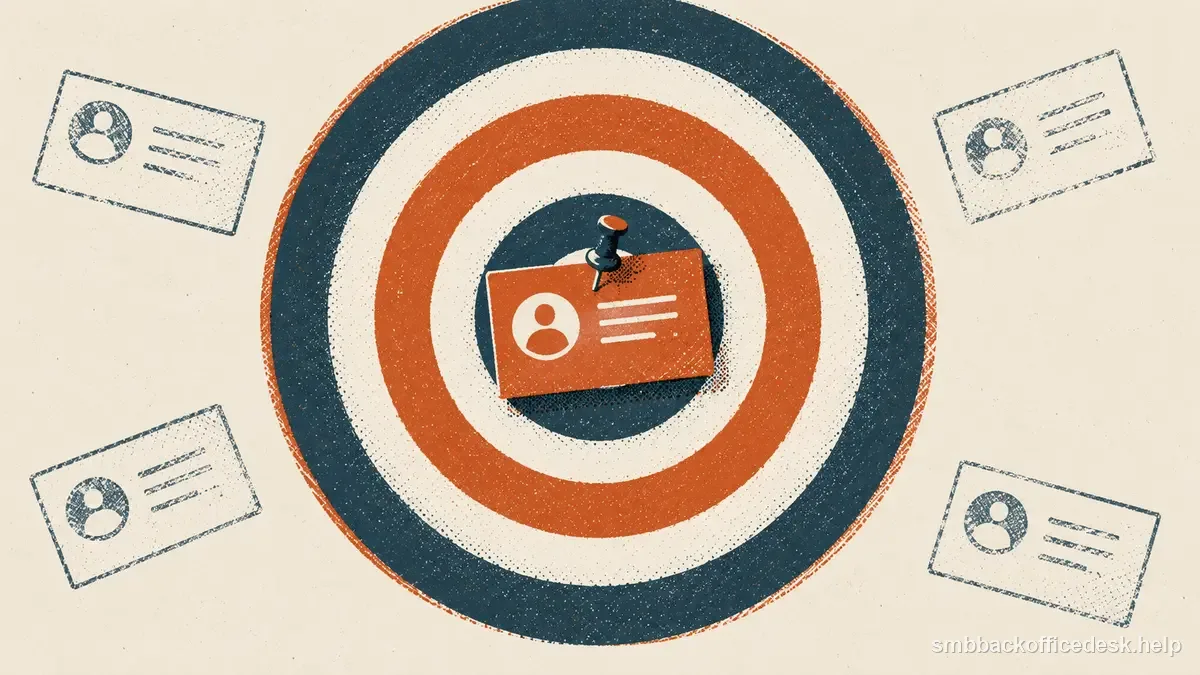
Define an Ideal Customer Profile Before You Build a Lead List
Build an ideal customer profile from real customer evidence, using firmographic filters, buying triggers, disqualifiers, and a scoring rule the team can apply.
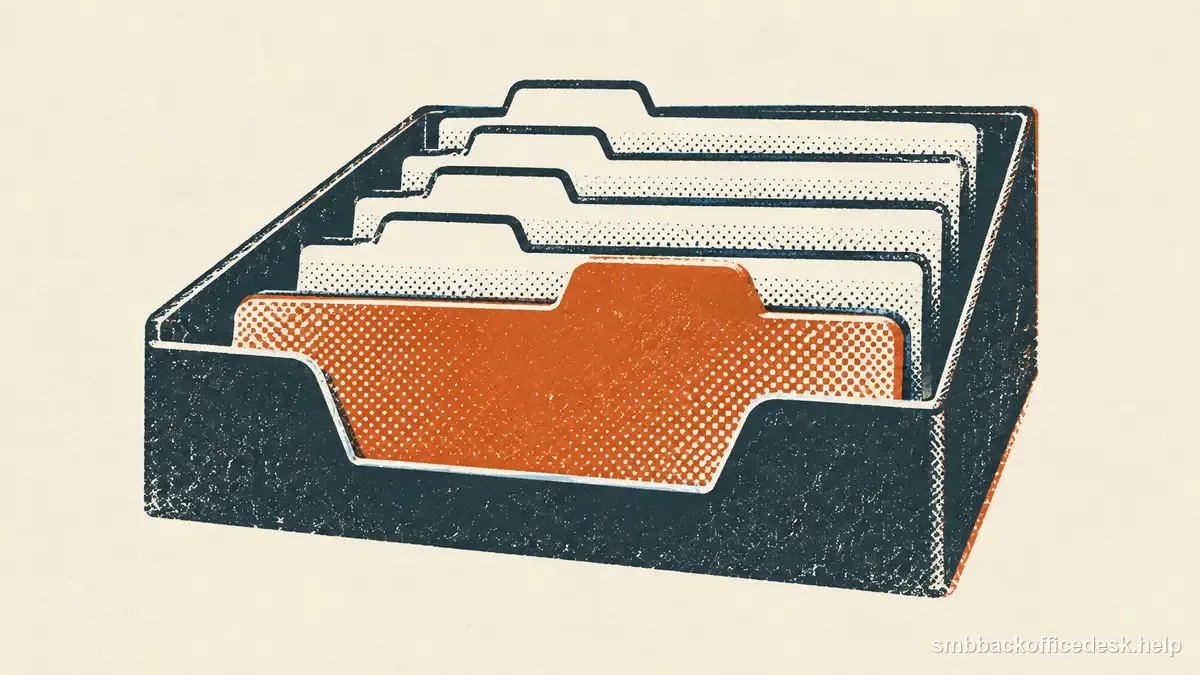
How to Build a Lead List by Industry
Build an industry lead list from a defined NAICS or business category, verify company fit, then add decision-maker roles, source dates, and exclusions.
Local Business Lead Sourcing Without a Giant Database
Source local-business leads without a giant database by defining the service radius, combining public sources, deduplicating locations, and verifying fit.
Deduplicate a B2B Lead List Before Outreach
Deduplicate B2B contacts and companies with safe match keys, import and sync preflight checks, review queues, and auditable merge rules before outreach.
How to Verify Business Email Addresses Before Outreach
Verify business emails in layers: confirm company and role, check syntax and mail domain, interpret verifier results, then update status from real delivery.
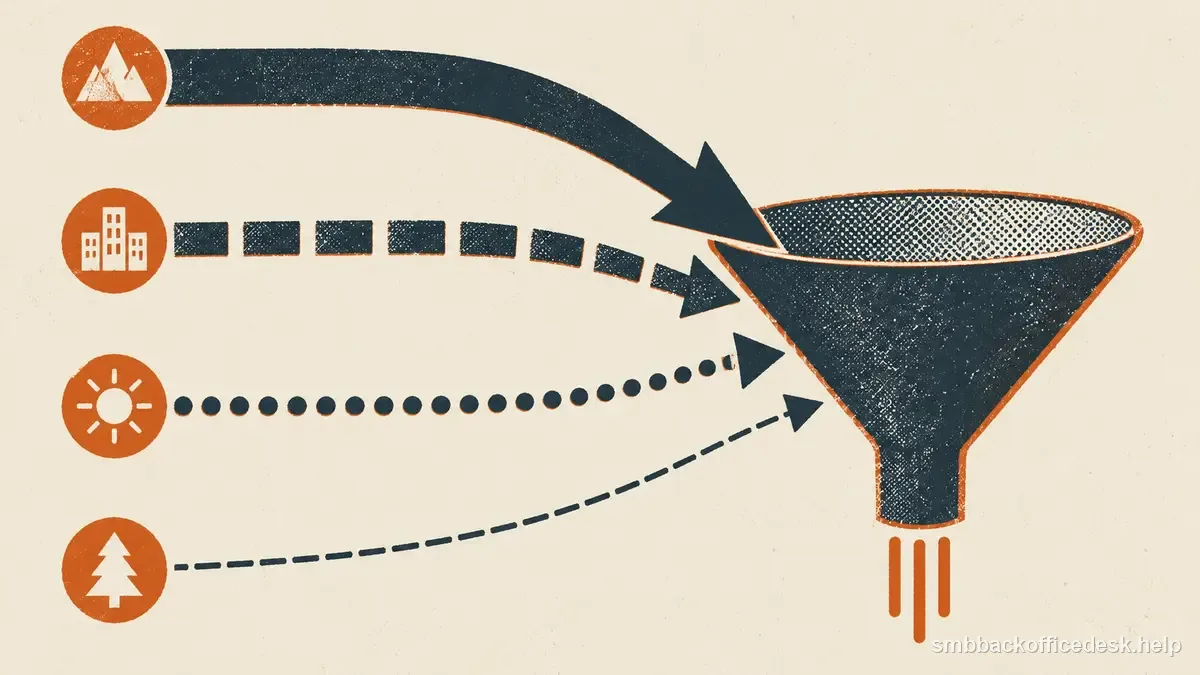
Track Where Every Lead Came From
Track where each lead and important field came from so you can compare vendors, refresh stale data, preserve suppressions, and explain CRM provenance.
The Minimum CRM Fields a Small Business Actually Needs
Keep a small-business CRM lean by separating account, contact, lifecycle, source, consent, and activity data, then requiring only decision-changing fields.

Buy a Lead List or Build It Yourself?
Compare buying a B2B lead list with building one yourself by testing fit, accuracy, duplicates, provenance, refresh rights, and cost per usable account.
Lead List Vendor Due Diligence Checklist
Vet a lead-data vendor with a representative sample, source and freshness questions, duplicate testing, replacement terms, and a written acceptance threshold.
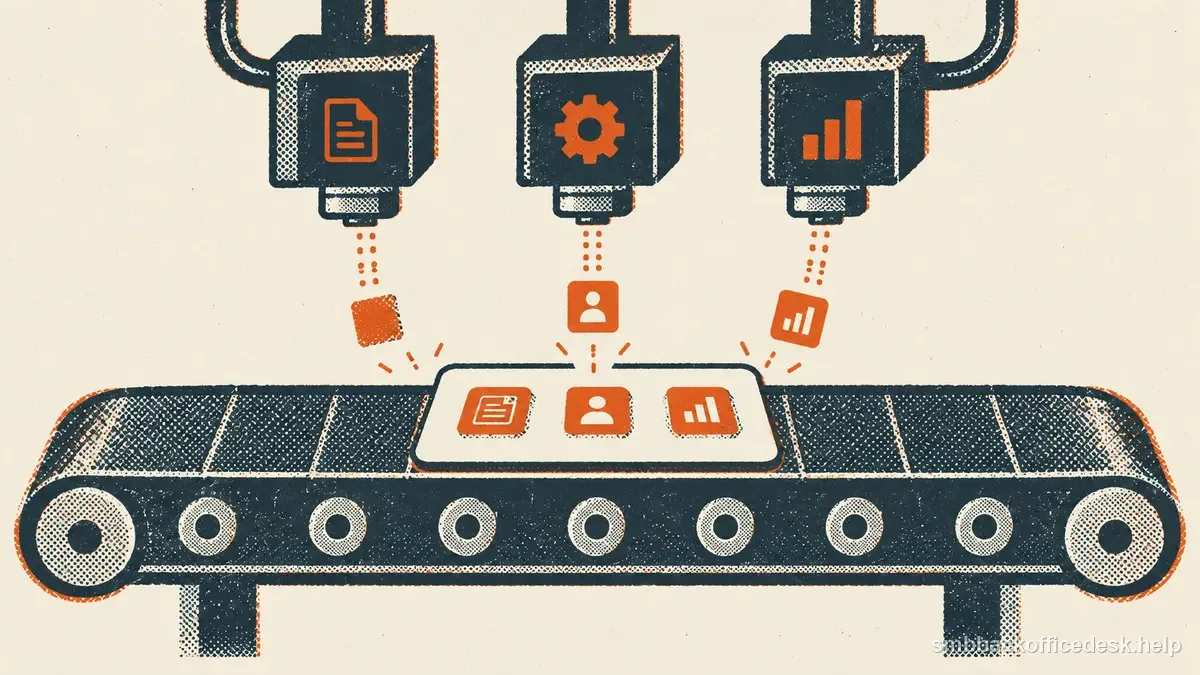
A Practical Lead Enrichment Workflow
Enrich lead records without corrupting the CRM: define needed fields, set source precedence, quarantine conflicts, protect corrections, and log changes.
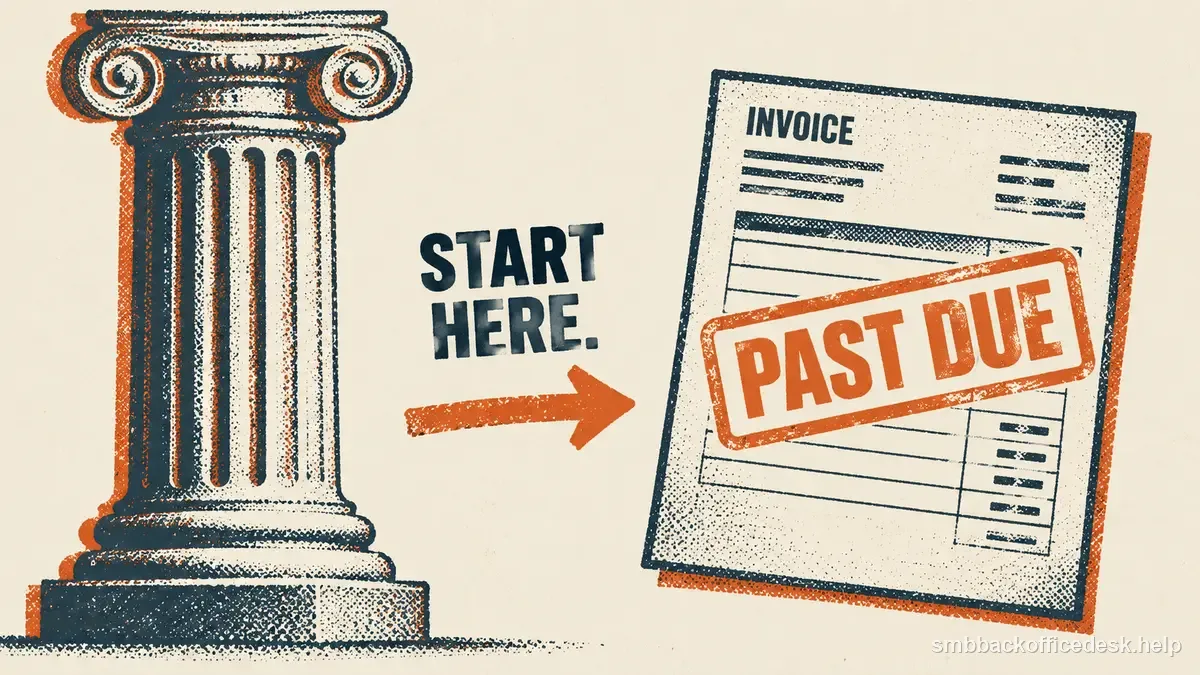
Small Claims Court for an Unpaid Business Invoice: Start Here
Evaluate an unpaid invoice for small claims by checking the defendant, court limit, venue, demand steps, service, hearing evidence, and collectability first.
Demand Letter Before Small Claims Court
Write a pre-suit demand that states the agreement, exact balance, supporting invoice, response deadline, and next step while preserving proof of delivery.
Contract Evidence for a Small Claims Case
Turn a business contract into small-claims evidence by isolating payment terms, amendments, performance, breach, defenses, and damages the judge must follow.
How to Use Invoices as Small Claims Evidence
Make an invoice persuasive in small claims by tying charges to the agreement and work, reconciling payments and credits, and showing a simple damages ledger.
Name the Correct Business Defendant in Small Claims
Identify the correct business defendant by separating trade names from legal entities, checking public records, and matching service to the proper entity.
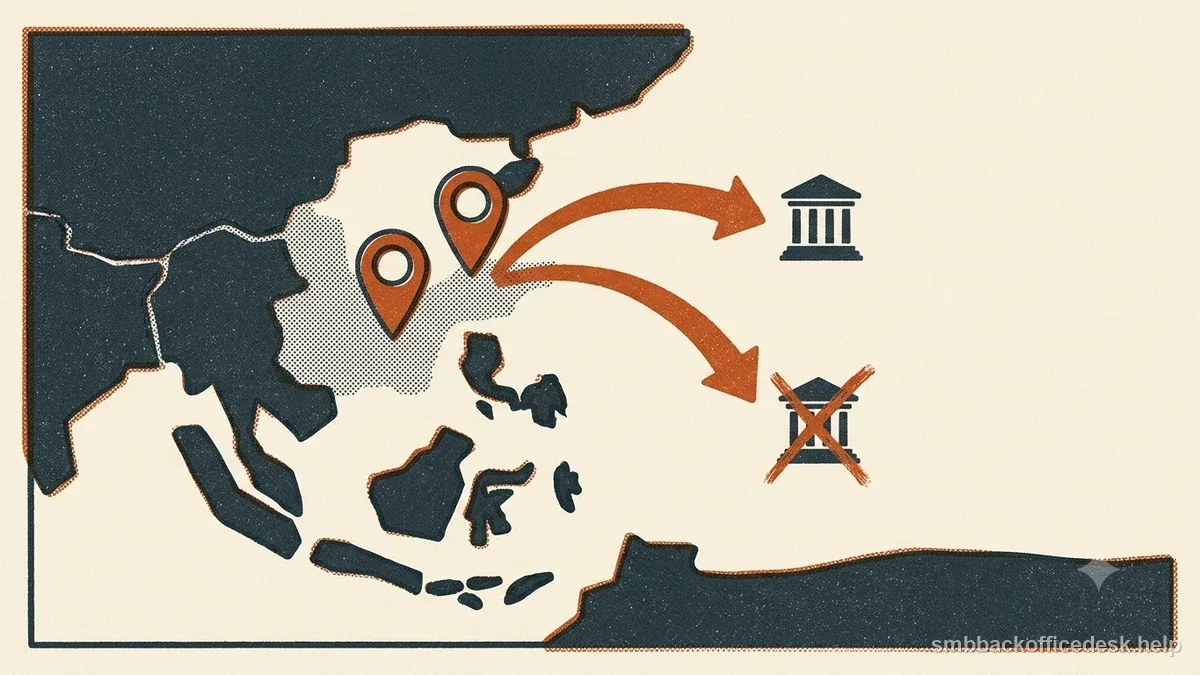
Where to File a Business Small Claims Case
Choose where to file a business small-claims case by checking the defendant, transaction and work locations, any venue clause, and current local court rules.
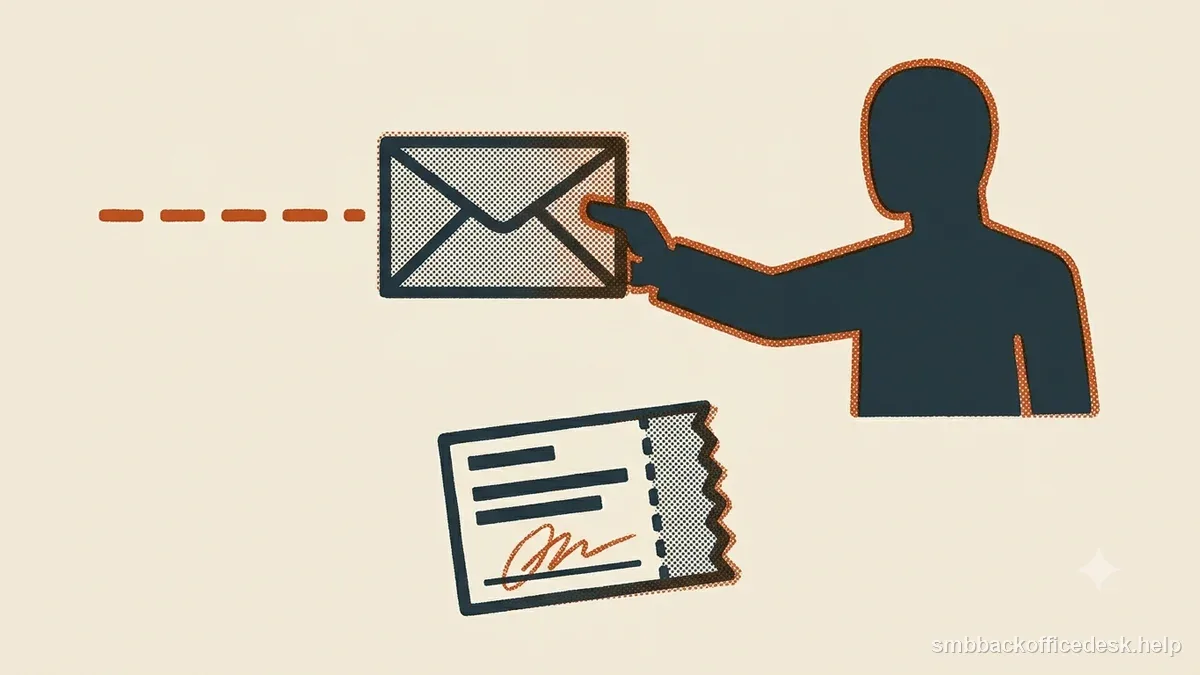
Service of Process in Small Claims
Serve a small-claims defendant using an authorized method, correct recipient, and deadline; document attempts and file accurate proof before the hearing.
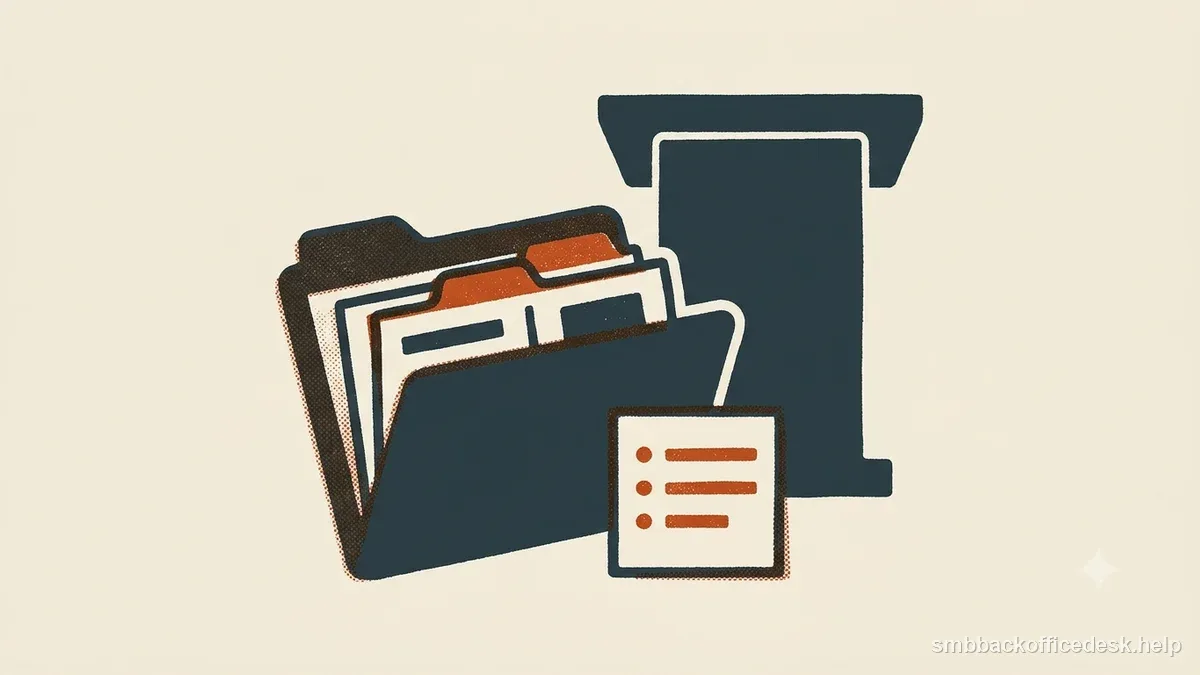
How to Prepare for a Small Claims Hearing
Prepare for a small-claims hearing with a short chronology, numbered exhibits, damages calculation, likely defenses, witness plan, and service proof.
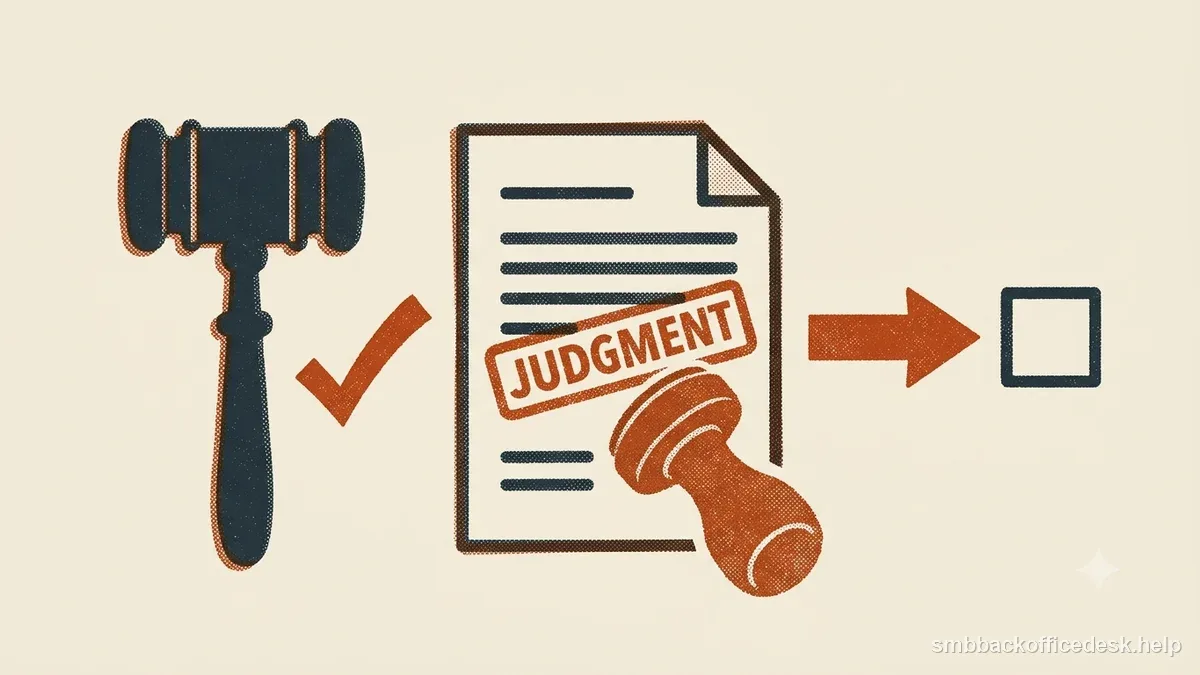
You Won in Small Claims Court: What Happens Next?
After winning small claims, read the judgment notice, calendar any waiting period, request payment, obtain debtor information, and record payment properly.
Collecting a Small Claims Judgment for an Unpaid Invoice
Collect a small-claims judgment by locating reachable assets, choosing a lawful enforcement tool, following court procedures, and tracking collection costs.
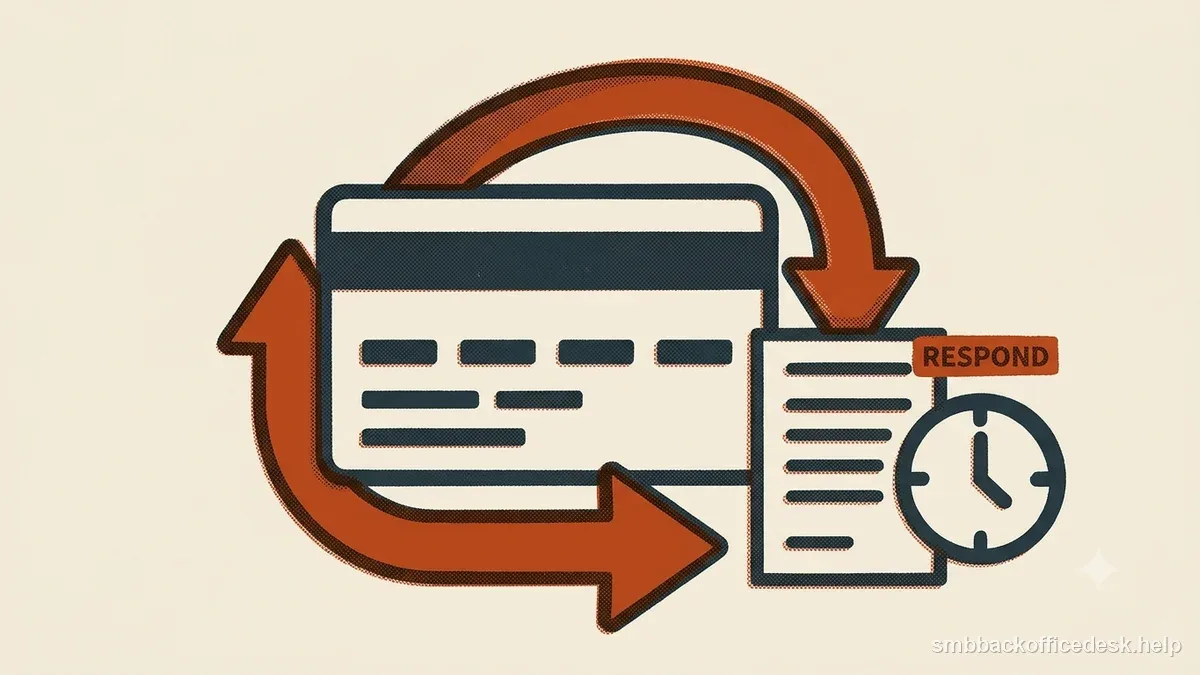
How to Respond to a Chargeback: Small Business Workflow
Respond to a chargeback by reading the exact dispute category and deadline, deciding whether to accept or contest, then submitting evidence that answers it.
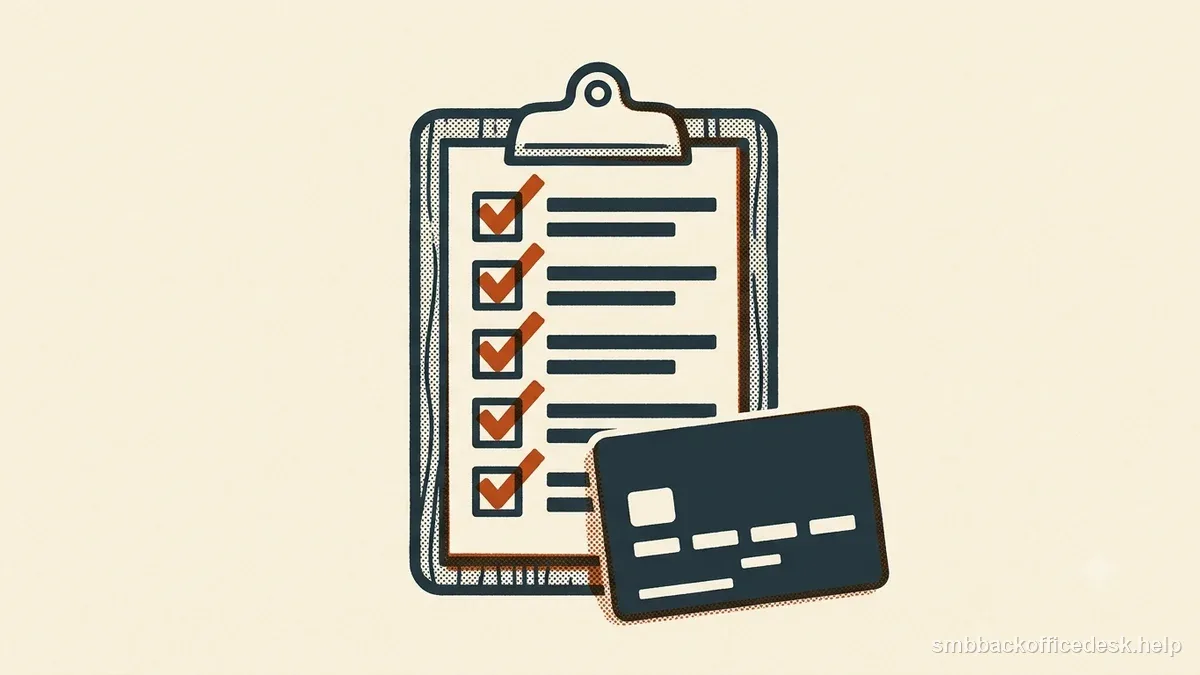
Chargeback Evidence Checklist for Small Businesses
Build a chargeback packet around transaction identity, the dispute reason, policy acceptance, fulfillment or usage proof, communications, and a clear timeline.
Responding to a Product Not Received Chargeback
Answer a product-not-received dispute with destination-linked proof, carrier or pickup records, exception handling, customer messages, and a delivery timeline.
Responding to a Product Not as Described Chargeback
Respond to a not-as-described chargeback by comparing the sales representation with what was delivered, then documenting condition, complaints, and returns.

Responding to a Service Not Provided Chargeback
Defend a service-not-provided dispute with appointment, attendance, milestone, work-product, delivery, and acceptance records tied to the charged period.
Responding to a Canceled Recurring Payment Chargeback
Respond to a canceled-recurring dispute with subscription consent, renewal terms, the cancellation request, effective cancellation, later charges, and refunds.
Responding to a Duplicate Charge Chargeback
Resolve a duplicate-charge dispute by reconciling order numbers, processor IDs, authorizations, captures, settlements, refunds, and proof of separate purchases.
Responding to a Credit Not Processed Chargeback
Answer a credit-not-processed dispute with the return or cancellation timeline, refund policy, processor refund ID, amount, status, and any retained balance.
Card-Not-Present Fraud Chargebacks: Evidence and Limits
Handle card-not-present fraud by preserving checkout authentication, AVS/CVC or 3DS results when available, account history, fulfillment, and processor records.
Chargeback Evidence for Digital Goods
Defend digital-goods disputes with entitlement, login, download, activation, consumption, device, and support records tied to the customer account.
1099 Contractor vs W-2 Employee: A Small Business Decision Guide
Decide between contractor and employee treatment by separating IRS tax, FLSA, and state tests, then documenting control, economics, and the real relationship.
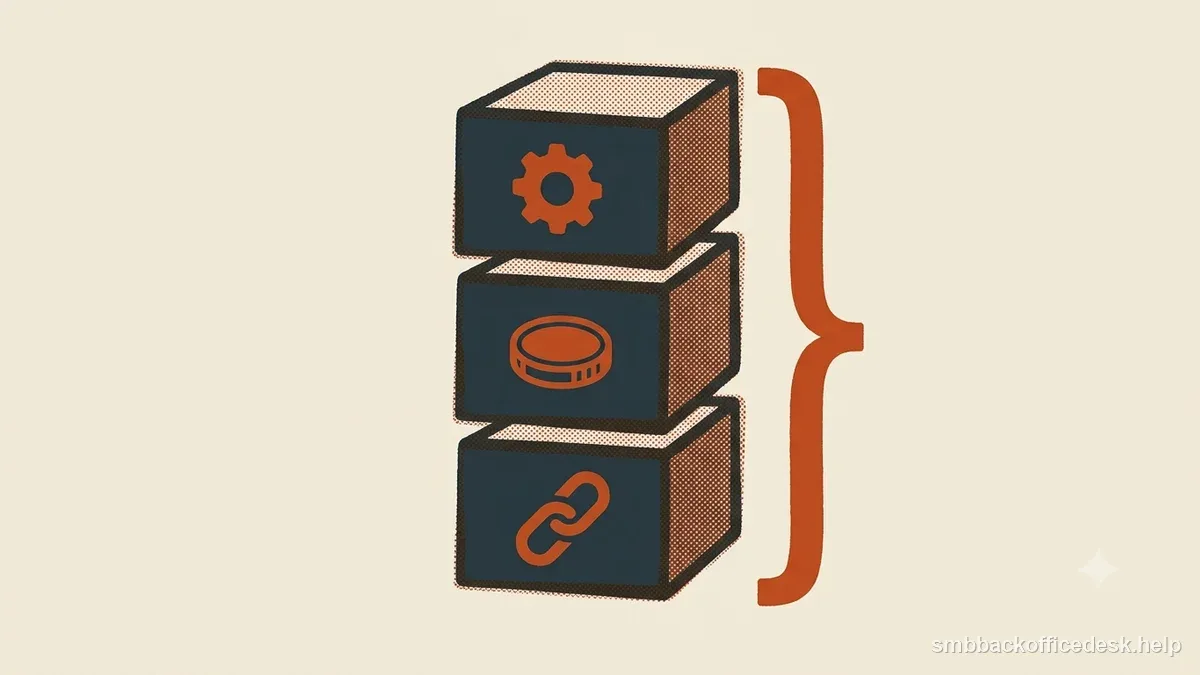
IRS Worker Classification: Behavioral, Financial, and Relationship Evidence
Apply the IRS worker-classification framework through behavioral control, financial control, and relationship facts instead of counting labels or clauses.
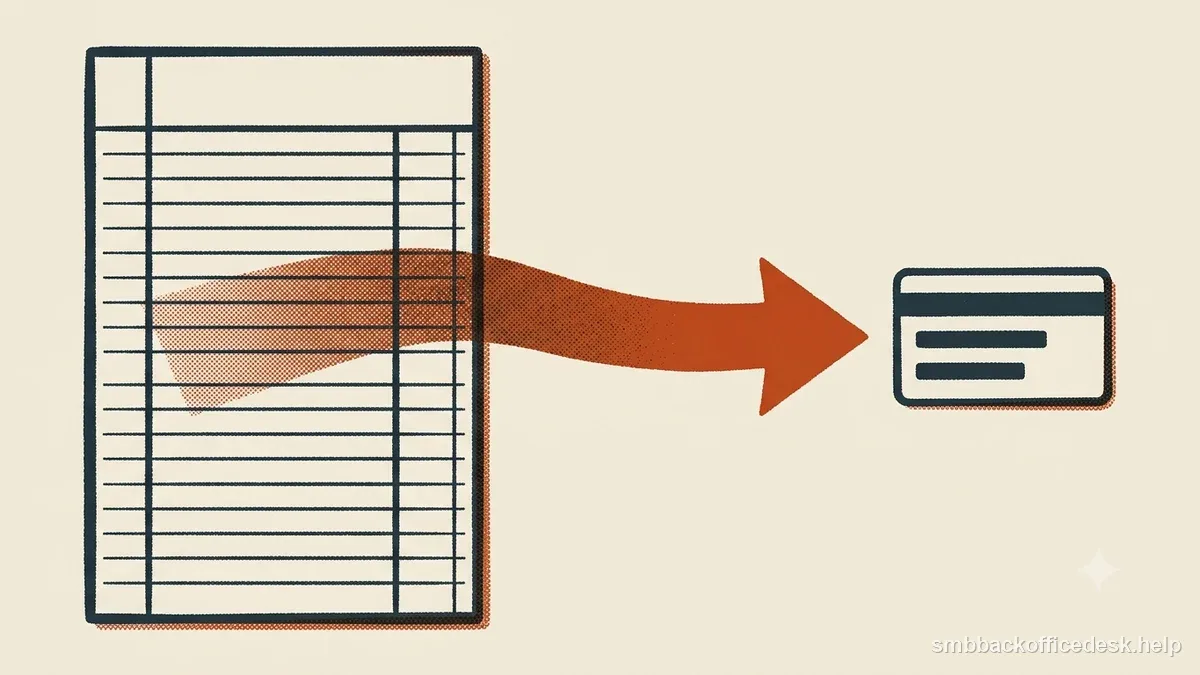
The IRS 20-Factor Test: What Small Businesses Should Know Today
Understand the 20 historical Revenue Ruling 87-41 factors, how they map to modern IRS categories, and why current federal tax analysis is not a points test.
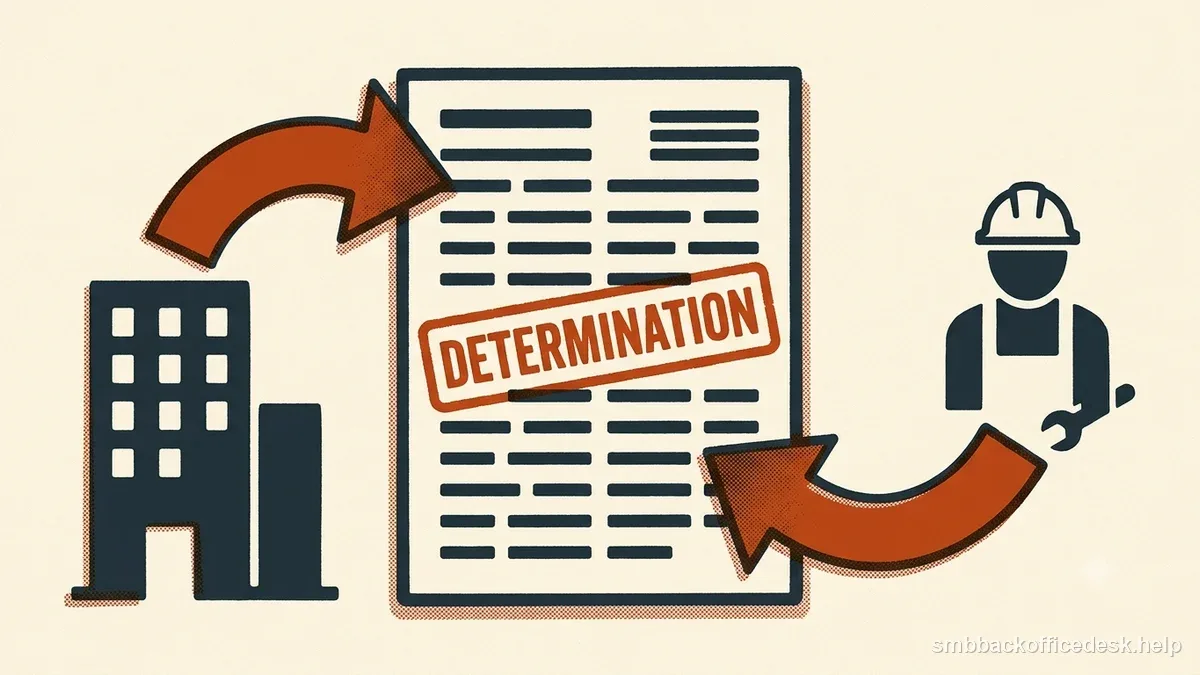
Form SS-8: When a Business or Worker Wants an IRS Determination
Use Form SS-8 when a federal tax-status determination is needed; know who can file, what facts the IRS requests, the timing, and what it cannot decide.
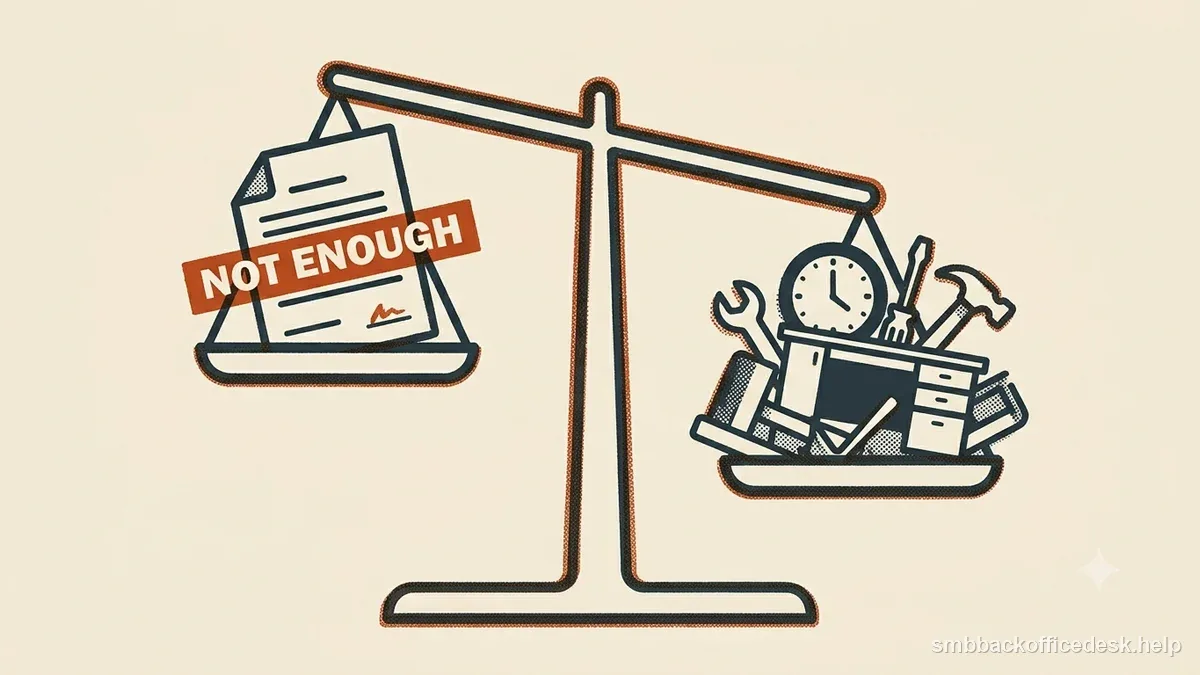
Why an Independent Contractor Agreement Is Not Enough
See why a contractor agreement cannot override the real relationship; compare its terms with actual scheduling, methods, expenses, pricing, and market activity.
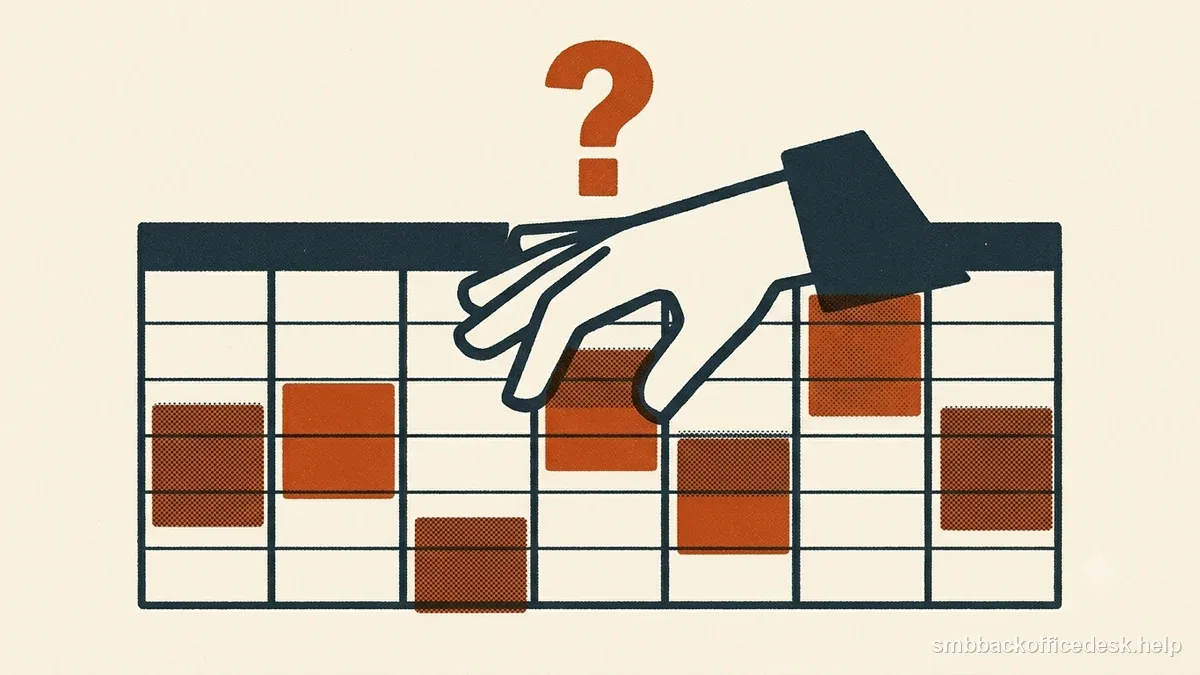
Can You Set a Contractor’s Schedule? Classification Questions to Ask
Separate project deadlines from employee-like schedule control by examining who sets hours, availability, location, meetings, methods, and substitution rules.
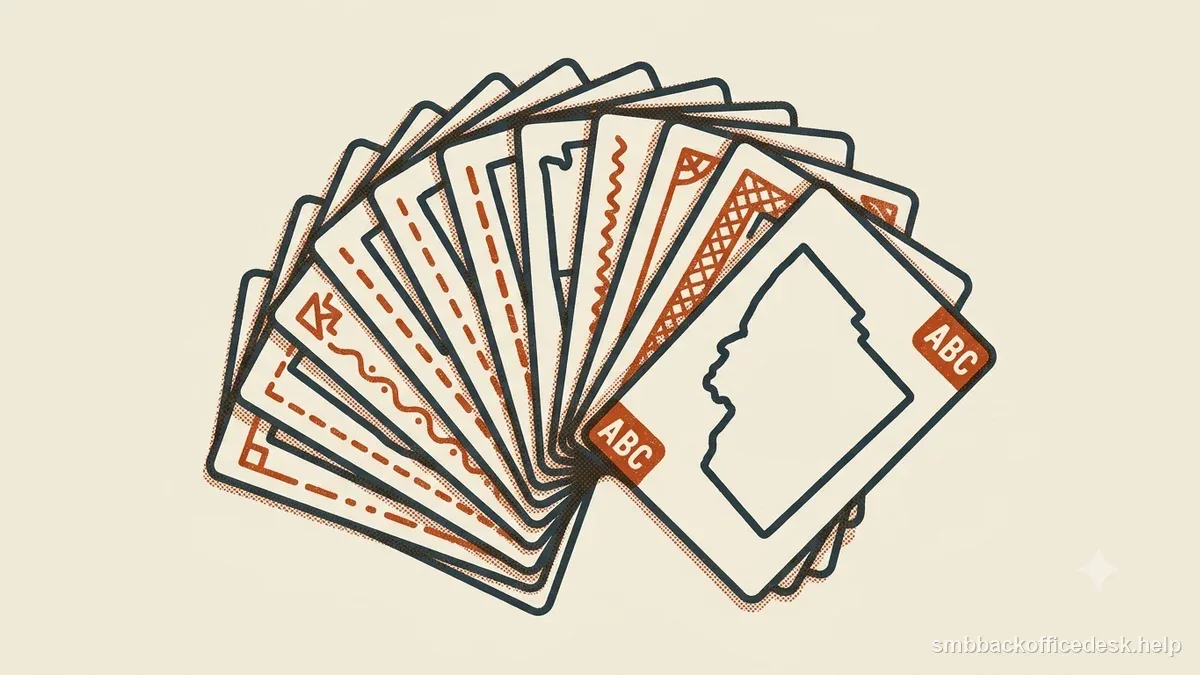
Why Worker Classification Can Change Under State Law
Review worker status state by state by separating federal tax, FLSA, unemployment, and state-law tests, using California’s ABC framework as a concrete example.
FLSA Independent Contractor Analysis in 2026: What Small Businesses Should Check
Understand the 2026 FLSA contractor-rule transition, the Labor Department’s current enforcement position, and why FLSA stays separate from IRS tax status.
Federal Tax Risks of Worker Misclassification
Map federal tax exposure from worker misclassification by separating Section 3509, Section 530 relief, Form 8919 issues, and the IRS VCSP option.
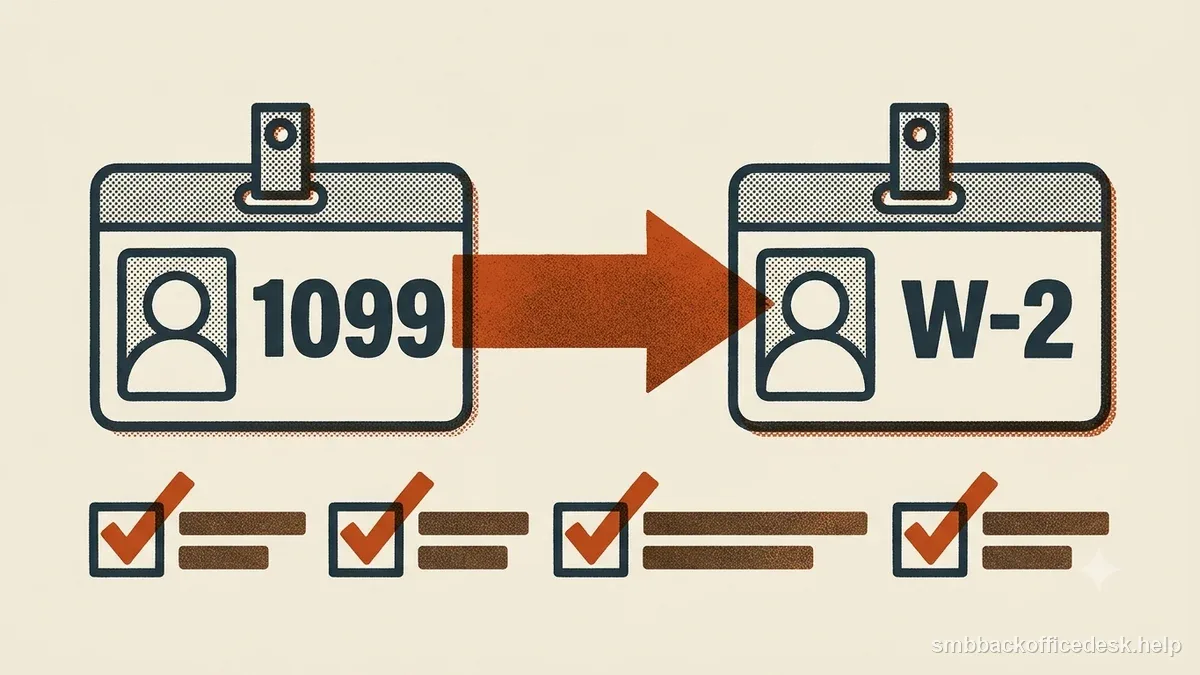
How to Convert a 1099 Contractor to W-2 Employment
Convert a contractor to W-2 employment with a clear effective date, employee onboarding, payroll setup, split-year records, and review of earlier status risk.
Chargeback Reason Codes: How Visa, Mastercard, and Amex Number Them
Match a chargeback reason code from a processor notice to the actual dispute category, network, and evidence type before building a response.

When the Defendant Doesn't Show Up: Getting a Default Judgment
Request a default judgment when a properly served small-claims defendant fails to appear, using proof of service and the same evidence a hearing would require.
TCPA and Cold Calling: What the B2B Exemption Actually Covers
Separate the federal B2B Do Not Call exception from TCPA limits on automated calls and texts. Check the recipient, method, and state law too.

CAN-SPAM Opt-Outs: The 10-Business-Day Rule and What Else Applies
Honor commercial-email opt-out requests correctly under CAN-SPAM: the response deadline, mechanism requirements, and what happens to the address afterward.

Do You Need Workers' Comp for 1099 Contractors?
Understand when a genuinely independent contractor still needs their own workers' compensation coverage, and when a business remains exposed despite a 1099.