A not-as-described dispute is about the gap between what the customer was promised and what they received. Shipping proof alone does not answer it. The evidence has to reconstruct the representation at purchase time, the delivered product or service, and what happened when the customer complained.
Freeze the buyer-facing description
Save the sales page, proposal, menu, specification sheet, or scope of work version that applied to this order. Capture the item or service identifier, selected variant, condition, dimensions, material, compatibility, what was included, relevant photos, delivery claims, and return terms. Preserve the checkout selection, accepted terms, quotes, and approved change orders with the transaction record.
If the page changed after purchase, use a CMS revision, catalog export, archived snapshot, accepted proposal, or order confirmation to establish the earlier version. A screenshot of today’s page proves what you say now, not what this buyer saw then.
Define the exact mismatch before gathering proof
Write the allegation in one factual sentence using the customer’s wording: “the selected blue jacket arrived in black,” “the package promised four sessions but only two occurred,” or “the equipment was listed as new but arrived refurbished.” Preserve the issuer’s claim and the customer’s complaint, then identify the one attribute that must be compared. Do not answer a delivery complaint with quality records or a fraud allegation with an unrelated product brochure.
If the complaint is accurate, consider accepting the dispute or using the processor’s permitted resolution path. A valid return, refund, or consumer remedy is not defeated simply because an internal “no refunds” policy exists.
Match the fulfilled item or service to the promise
For goods, connect the order line to the item actually picked and shipped: SKU or serial number, condition/inspection record, packing or pre-shipment photos, and any function or quality test relevant to the claim. Tie each photo or log to the order identifier and date; a generic catalog image does not establish which unit went into this shipment. If the buyer returned the item, record its received condition before restocking and explain any serial-number, component, or damage comparison without guessing about intent.
For services, use the signed scope and approved changes, schedule, attendance or work log, deliverable, acceptance message, and revision or cure history. Identify the disputed milestone or service period rather than relying on an annual contract to prove a particular month’s work. Where quality is subjective, show objective specifications, test results, and the actual deliverable instead of asserting that the work was excellent.
Document the return, repair, or replacement path
Show the return terms the customer accepted and where they appeared at checkout, then assemble any return authorization, customer request, instructions, tracking, refund record, replacement shipment, repair, troubleshooting, and follow-up. If the buyer declined a proposed cure, preserve the dated offer and response. If a returned item arrived, photograph its condition and connect the image to the order and serial number before it is altered or resold.
Do not rely on a “no refunds” policy as proof that a materially misdescribed product was acceptable. Contract terms and consumer law can override an internal policy. If a return or repair right applied and the merchant refused it, that record may support accepting the chargeback.
Separate partial disputes from the rest of the order
If a multi-item order contains one defective item, reconcile the disputed amount to that line and show any partial refund. For a project, separate the disputed milestone from completed and accepted work. A side-by-side amount calculation keeps the response proportional and prevents the packet from suggesting that the entire order failed when only one part is challenged.
Build a reviewer-ready comparison
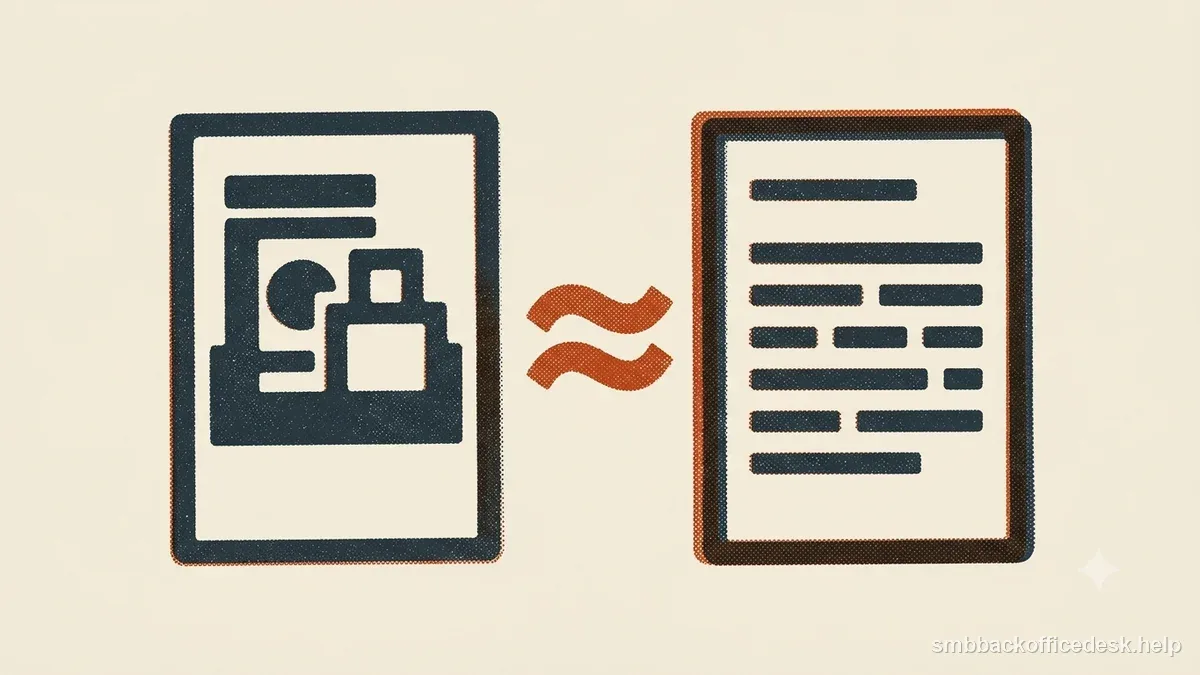
Use one row for each disputed attribute: what was represented, what the buyer selected or approved, what was fulfilled, the evidence tied to it, the complaint, and the response or remedy. For example, compare the listed dimensions with the ordered size and the SKU scan; compare a “new” condition claim with the item’s serial and inspection record; compare a promised service feature with the delivered file or session log. Label the source and date of each record. Use arrows or highlights only to direct attention to a real difference.
| At purchase | At fulfillment | |
|---|---|---|
| Goods | Order-time variant/spec | SKU or condition record |
| Service | Accepted scope | Deliverable/milestone evidence |
| Complaint | Disputed attribute | Cure or return outcome |
Prevent the next mismatch
Track disputes by SKU, product page, salesperson, service package, and return reason. If buyers repeatedly misunderstand the same size, material, compatibility, renewal term, or scope, correct the sales representation and checkout flow. Keep the revised content tied to its effective date so future evidence can show what a later buyer saw. For custom services, require written scope and acceptance criteria before work begins.
A strong response demonstrates a match between the actual purchase-time promise and delivery, or candidly identifies why the buyer’s complaint is valid. It does not ask the reviewer to decide that the customer is unreasonable.