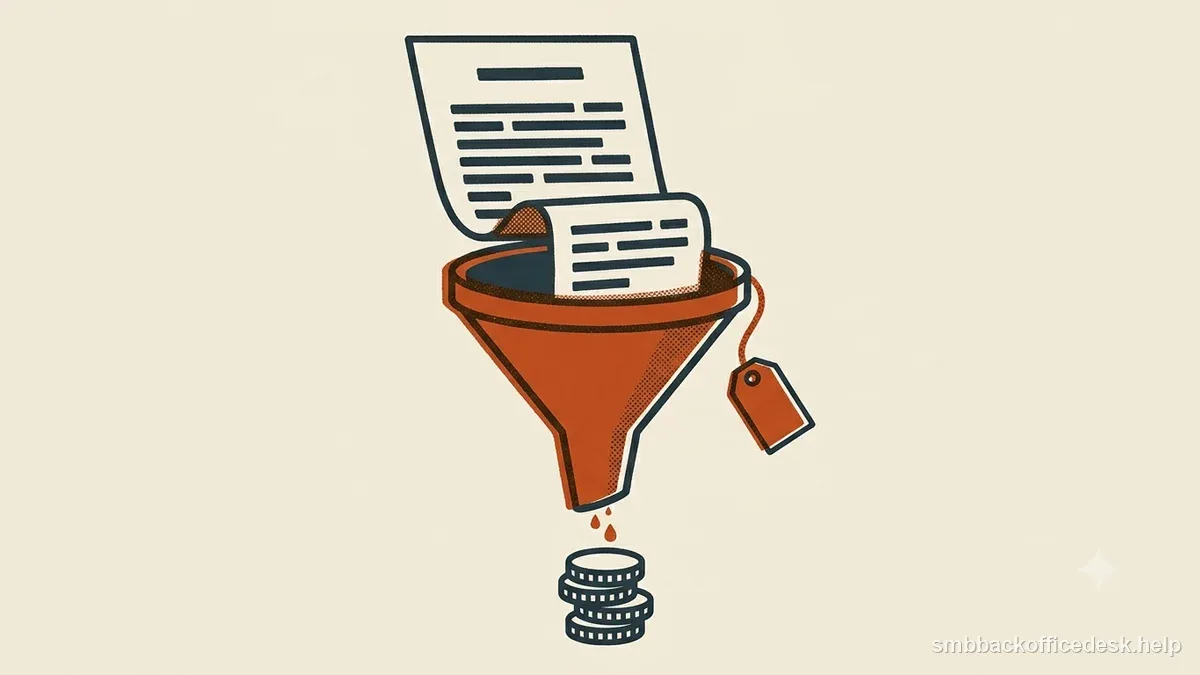
Judgment collection is an asset problem. The court has already decided who owes money; now the creditor needs to identify assets the law allows to be reached and use the correct enforcement procedure. Randomly sending more demand letters does not substitute for that work.
Start with information you already have
Review the original business relationship for lawful clues: - checks showing a bank; - ACH remittance information; - business address; - employer information if the debtor is an individual; - customer payment processor; - vehicles or equipment; - real property; - state business filings; - public UCC filings or other public records where relevant.
Do not access accounts or private databases without authorization. Public information can help you decide which court tool is worth pursuing.
Use post-judgment disclosure procedures
Some states require the debtor to disclose assets after judgment; others provide interrogatories, debtor examinations, subpoenas, or related procedures.
California’s small-claims system uses Judgment Debtor’s Statement of Assets (SC-133) in relevant cases and provides procedures for examinations when more information is needed. Its current collection guide explains that the creditor needs to learn where the debtor works, banks, and owns property before selecting a collection method.
A debtor examination is not a casual meeting. Use the court’s form, service requirement, and subpoena rules.
Match the asset to the enforcement tool
Common categories include: - wages → garnishment, subject to exemptions and limits; - bank funds → levy or garnishment; - real property → judgment lien/recording procedures; - personal property → levy/seizure in circumstances allowed by law; - money owed to the debtor by a third party → garnishment or turnover procedures in some states.
The name of the tool and exempt property differ by state. Do not use a California form in Texas or a New York marshal procedure in Florida.
For business debtors, bank accounts, receivables, and owned equipment may matter more than wages.
| Asset | Possible process | |
|---|---|---|
| Wages | Garnishment | Exemptions and limits apply |
| Bank funds | Levy/garnishment | Follow state procedure |
| Real property | Record judgment document | Local recording may be required |
| Unknown | Disclosure/examination | Verify before choosing tool |
Enforcement officers are jurisdiction-specific
New York City small-claims guidance describes sheriffs and city marshals who can use statutory powers to collect judgments. Other states use sheriffs, constables, court officers, or private process/enforcement mechanisms.
Contact the authorized officer in the area where the asset is located and ask what paperwork and fees are required. The judgment may need to be certified, docketed, or transferred before the officer can act.
Keep receipts. Some enforcement costs may be added to the judgment when state law permits; others remain your expense.
Calculate exemptions before spending money
Wages, bank funds, and property can be partially or fully exempt. Consumer-debt judgments can have additional protections. A bank levy against an account containing exempt funds may produce little or nothing.
Do not promise yourself the full account balance. Ask the enforcement officer or appropriate adviser what exemptions and priority rules apply.
If another creditor already has a senior lien, your recovery can be delayed or reduced.
Record liens correctly
A judgment does not automatically create every possible lien in every location. Some states require recording an abstract, transcript, or certified judgment with a county office to create a real-property lien.
Confirm the debtor’s exact legal name and property ownership before recording. A typo in the judgment debtor name can interfere with indexing.
Calendar renewal and expiration dates. Judgment lifespan and lien lifespan can differ.
Use a collection decision tree
1. Voluntary payment possible? Send a formal request. 2. Known bank? Evaluate levy. 3. Known employer and wages legally reachable? Evaluate garnishment. 4. Owns real property? Evaluate lien. 5. Assets unknown? Use disclosure/examination. 6. Entity appears insolvent or closed? Compare expected recovery with enforcement cost.
Re-run the analysis periodically. A debtor that is uncollectible today may later obtain assets, depending on how long the judgment remains enforceable.
Close the file correctly
Apply every payment to the ledger using the state’s rules for interest/costs. When the judgment is satisfied, file the required satisfaction promptly and release liens when required.
Collection should be methodical, not emotional. The winning strategy is the lawful tool that reaches an identifiable non-exempt asset at a cost lower than the likely recovery.
Prepare an evidence-backed instruction for the next attempt
Before requesting a writ, levy, garnishment, or lien, make a target sheet with the exact judgment debtor, asset type and location, the dated record linking that asset to the debtor, any known co-owner or senior lender, exemption questions, the required local form, the office or officer that will act, and its advance fees. An old check or ACH remittance may point to a bank, but it does not prove the debtor still owns an account there or that the funds are reachable.
For a business judgment, verify the account or property belongs to the named company. A judgment against an LLC does not automatically authorize collection from an owner’s separate property. Confirm who owns a receivable, vehicle, or equipment before naming it in a levy request. When ownership, exemptions, or the next step is unclear, ask the clerk or enforcement officer what process applies and keep the answer with your file. If the likely net recovery is below the next cost, pause and reassess instead of filing on a guess.